
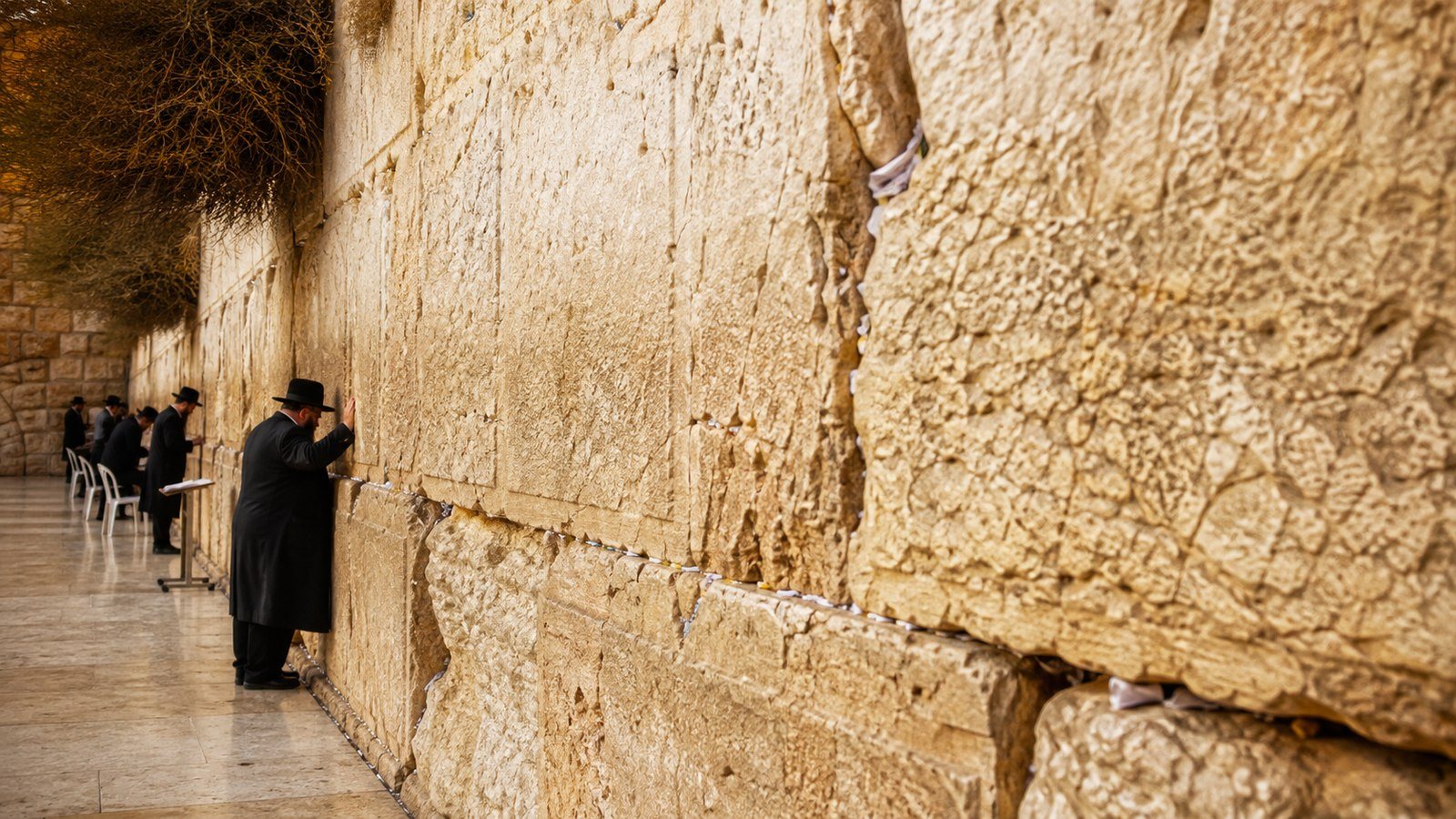
Teshuvah means return
The Hebrew word teshuvah is commonly used for repentance, but its basic sense of returning is important. Biblical repentance is more than feeling guilty. It is a turning of the heart and life back toward God. That is why the season before Yom Kippur can be spiritually fruitful even for Christians who are not observing Jewish law.
Repentance is preparation, not punishment
Repentance is sometimes presented as if God were waiting to humiliate us. Scripture gives a different picture. God’s kindness leads us toward repentance, and confession opens what we have hidden to the light. The aim is restored relationship and renewed obedience.
Preparing the soil
The prophetic image for 5787 is of a seed beginning to grow. In that picture, repentance prepares the soil. Hard ground resists roots. Compacted soil needs to be opened. Weeds compete for nourishment. The point is not that we earn growth through self-punishment. It is that honest surrender creates room for the life of God to be received and tended.
Questions for reflection
- Is there something God has already spoken about that I keep postponing?
- Have I confused regret with repentance, feeling bad without actually turning?
- Is there a relationship where I need to seek forgiveness, make peace or establish a healthy boundary?
- What habit is compacting the soil of my attention?
- What small act of obedience would make room for new growth?
Grace remains the beginning
For Christians, repentance is not a way of purchasing God’s acceptance. We return because grace has already moved toward us in Jesus. Repentance is therefore serious without being hopeless. It tells the truth about sin and failure while trusting that mercy is stronger than our need to hide.