

Rosh Hashanah at a glance
Rosh Hashanah is the Jewish New Year, observed on 1 and 2 Tishrei. In 2026 it begins at sundown on September 11 and ends at nightfall on September 13, opening Hebrew year 5787. The biblical foundation is the first day of the seventh month, described in Leviticus 23:23–25 and Numbers 29:1–6 as a sacred rest and a day marked by trumpet blasts.
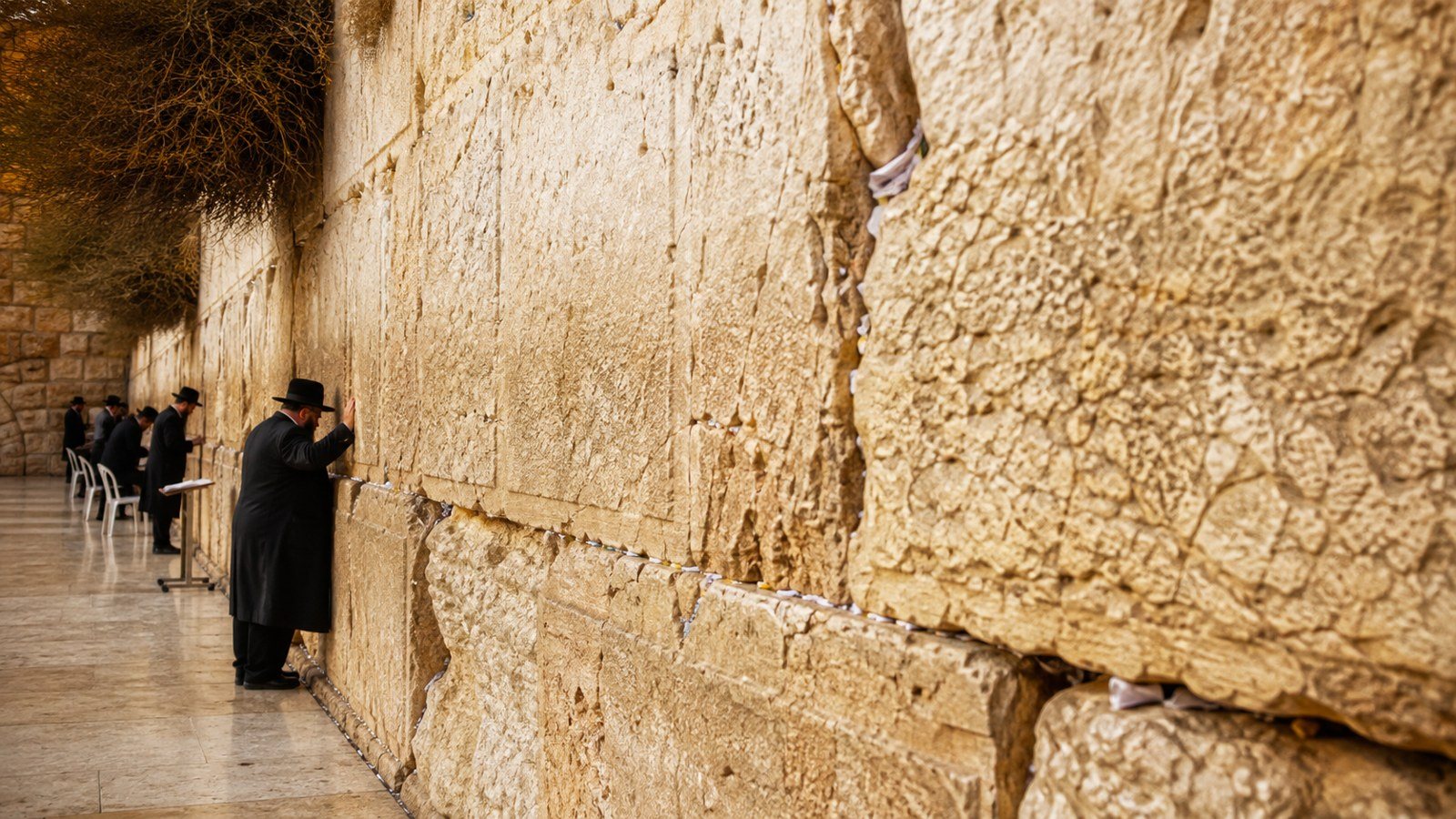
The name Rosh Hashanah means “head of the year.” The Torah itself does not call the day by that later name. This distinction is useful: Christians can honour the biblical text while also understanding how Jewish practice and interpretation developed around it.
Why Christians are interested
Many Christians encounter Rosh Hashanah through teaching about the biblical feasts, Messianic Jewish ministry, end-times speculation, or prophetic words for the Jewish New Year. Those pathways are not all equally reliable. The healthiest starting point is Scripture, historical humility, and a willingness to distinguish what the Bible says from later tradition and from our own interpretations.
The themes that deserve attention
- The trumpet call, or teruah, as a summons to attention and sacred assembly.
- Repentance and return to God, especially as understood in the Jewish season leading to Yom Kippur.
- Remembrance, accountability and the seriousness of how we live before God.
- New beginnings, not as magical resets, but as opportunities for renewed obedience.
- Hope rooted in God’s character rather than in prediction.
Where prophecy fits
A prophetic word for Rosh Hashanah should not be treated as a forecast that tells everyone exactly what will happen during the year. In the New Testament, prophecy is to be weighed, and its normal fruit is strengthening, encouragement and comfort. A seasonal prophetic reflection can therefore ask what God may be emphasizing, while remaining honest about the difference between Scripture and a prayerful impression.